
Available surface finishes for sheet metal
Surface finishes are applied after machining and can change the appearance, surface roughness, hardness and chemical resistance of the produced parts.
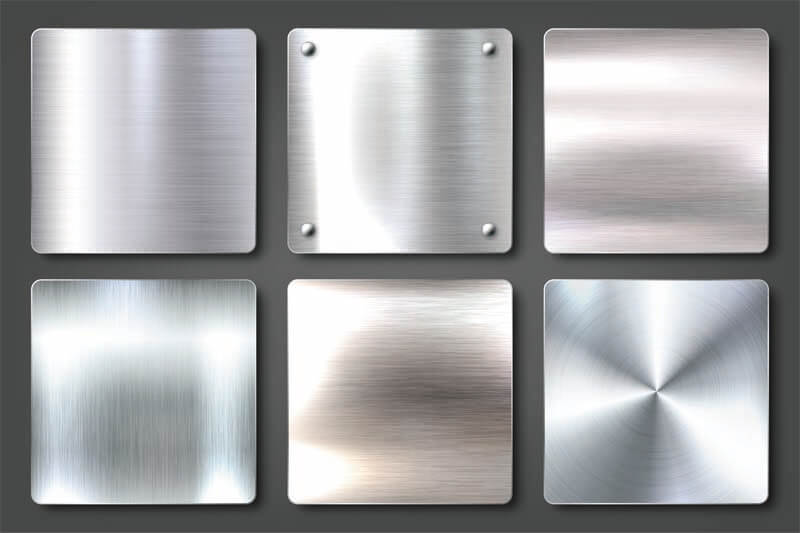
Below are some of the most common mechanical finishes available for sheet metal materials:
Brushed Finish
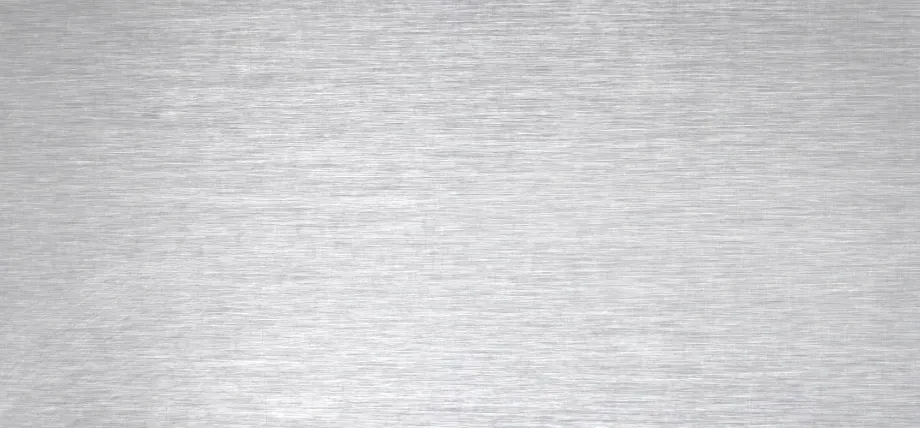
Brushed finish applies an abrasive linearly to give stainless steel a sleek, unidirectional
matte texture. Widely used for architectural panels and appliances, it smoothens the
metal while delivering high durability that easily hides everyday scratches and wear.
Polished Finish
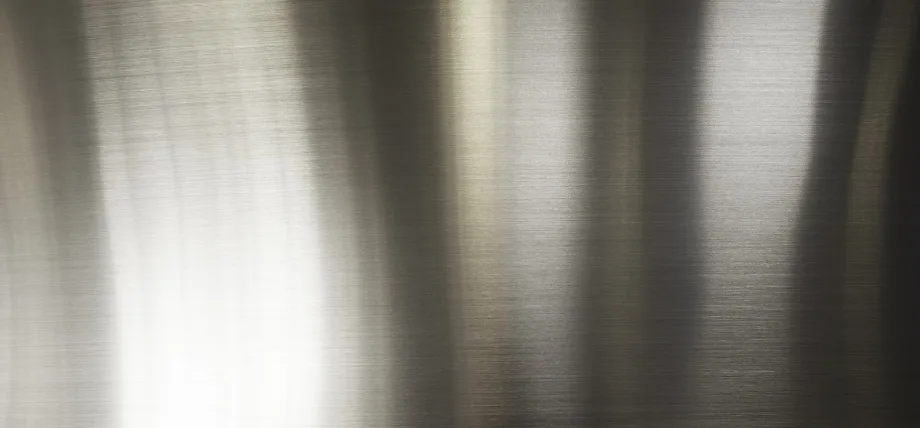
Polishing uses ultra-fine abrasives to smooth metal, ranging from matte to highly
reflective mirror finishes. Highly sought after for both aesthetics and function, mirror
polishing creates an ultra-smooth, reflective surface essential for medical instruments
and food-grade stainless steel. By reducing imperfections, it enhances hygiene and
cleanliness, though the resulting surface requires careful handling to prevent scratches.
Bead Blasted Finish
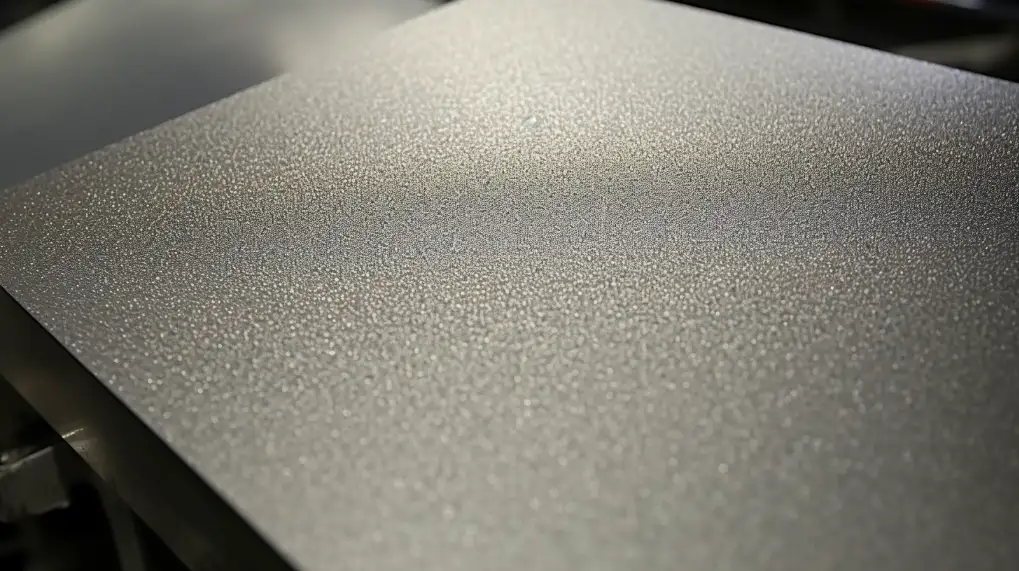
Bead blasting propels fine glass beads at moderate pressure to create a uniform,
low-reflectivity matte surface. It is the ideal aesthetic alternative to a high-gloss polished
look. Commonly applied to stainless steel and aluminum alloys, this finish creates a
consistent texture that resists fingerprints and masks minor imperfections, enhancing
both the durability and sleek look of electronics and decorative metalwork.
Grained Finish
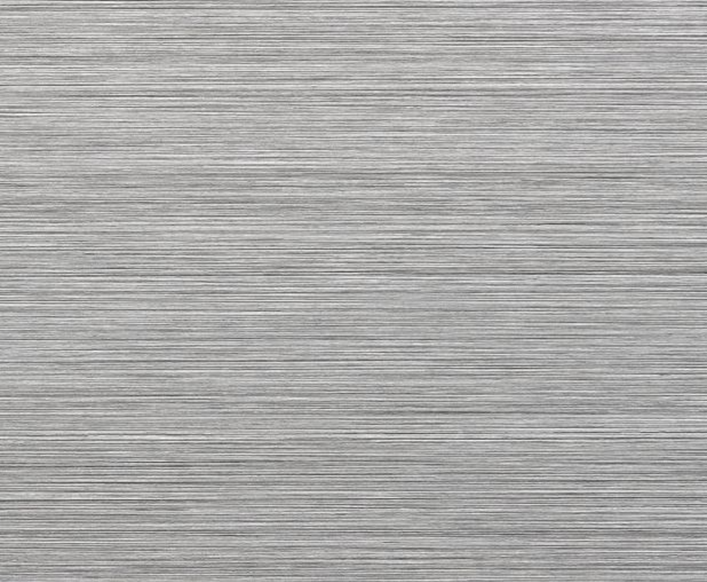
A grained finish is produced by mechanically abrading the sheet metal surface with
belts or wheels into a linear or circular pattern. This finish spotlights grain direction,
which can greatly improve the appearance of a metal component.
Grained finishes are generally put on aluminum or stainless steel for a uniform finish
that reinforces contemporary design. It also allows surface texture customization, which
only makes the treated sheet metal parts more versatile for architectural or industrial
applications.
Anodizing
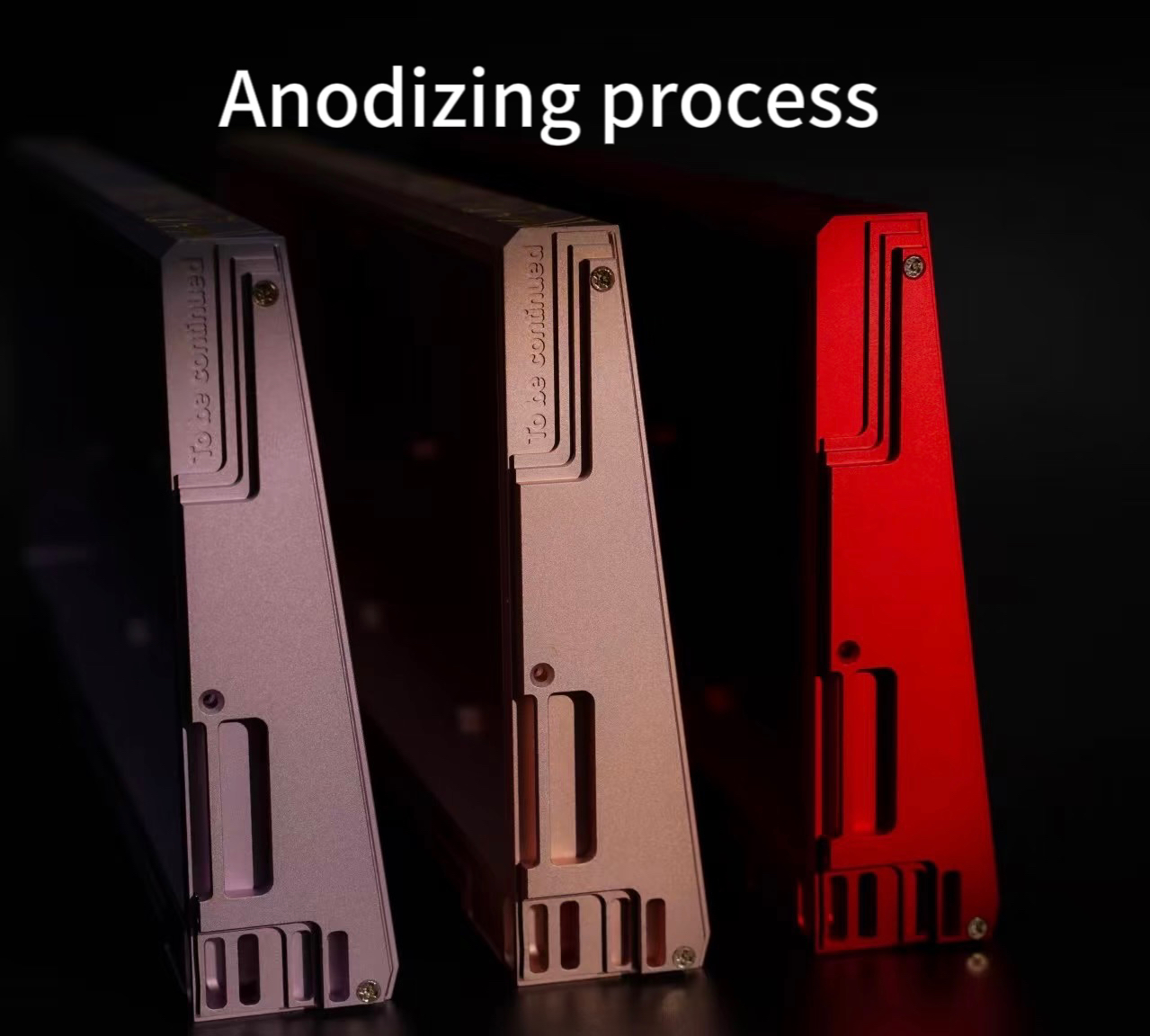
Anodizing is an electrochemical process that thickens the natural aluminum oxide layer, significantly
enhancing corrosion resistance and durability. The resulting hard, smooth surface resists scratches
and wear while allowing the metal to be dyed in various colors. This makes it a popular aesthetic and
functional choice for architecture and consumer products.
Powder Coating
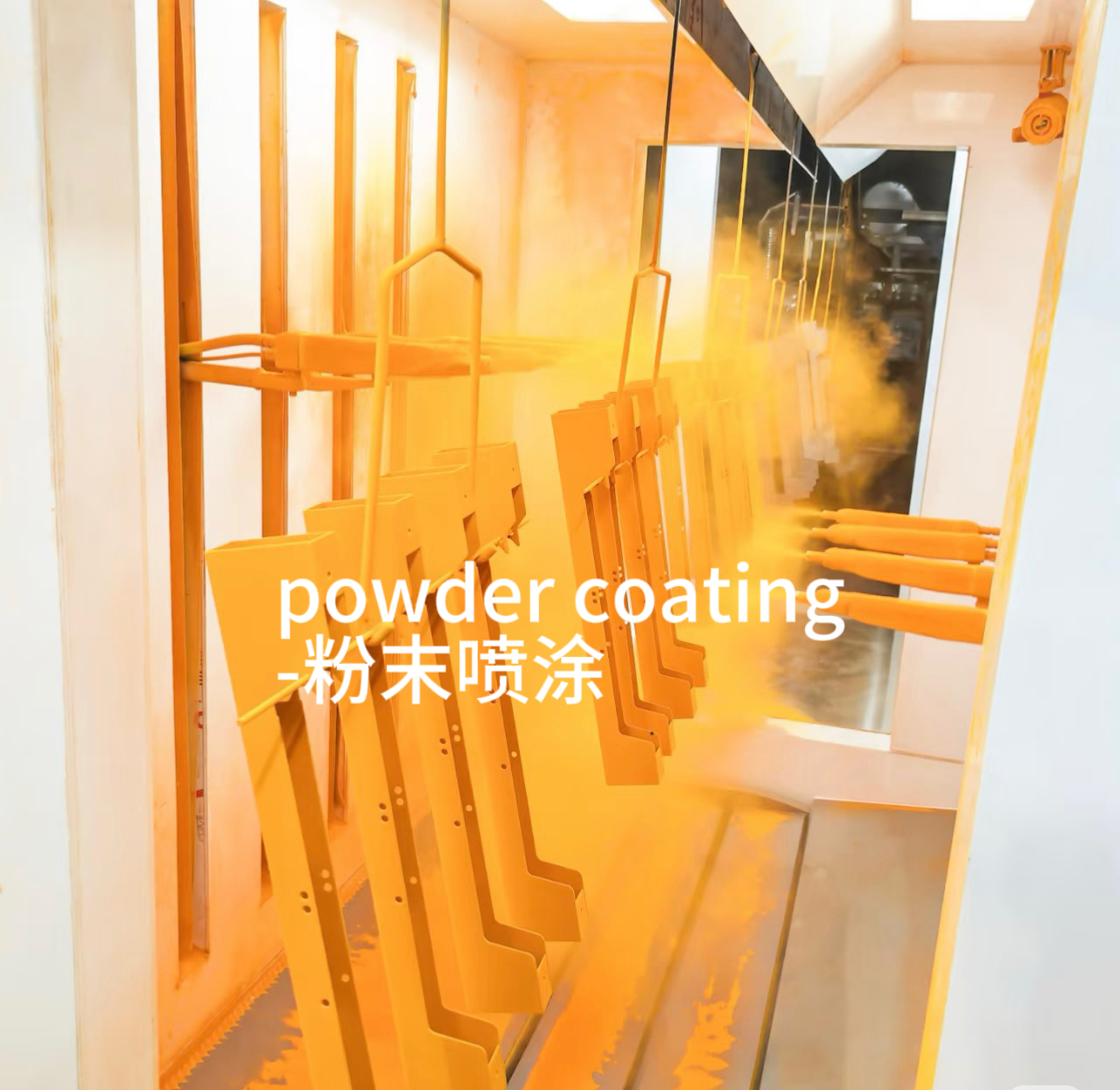
Powder coating applies a dry powder to the metal surface; when heated, it produces a durable,
protective coating. This method yields a smooth and even finish that is highly resistant to chipping,
scratching, and fading.
Powder coating on steel and aluminum parts is widely used due to the diverse range of finishes
it can provide, exciting colors, and textures.